



The Psychology of Color in Interior Design: The Emotional Impact of Spaces
Interior architecture is not just about aesthetic arrangements; it also considers the emotional effects of spaces on users. The impact of colors on people's moods and behaviors has been scientifically proven. In this article, we will discuss the importance of color psychology in interior design and how it shapes the atmosphere of spaces.
1. Emotional Meanings of Colors
It is known that each color has a specific impact on people's emotions. For example, blue evokes feelings of calm and serenity, while red brings energy and passion. In interior architecture projects, the conscious selection of these colors plays a crucial role in determining the overall atmosphere of the space.
2. Use of Colors in Spaces
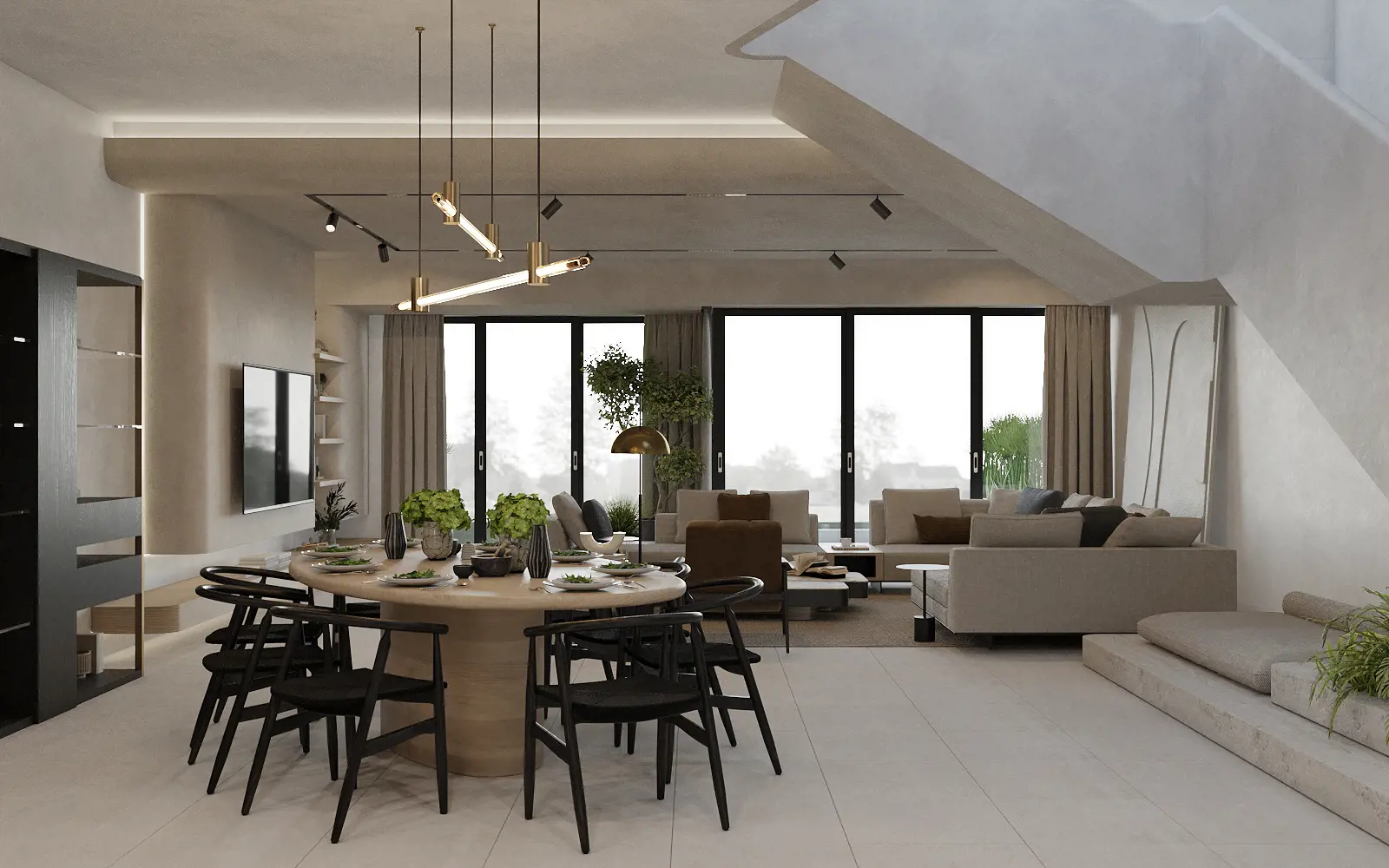
The proper use of colors in spaces changes the perception of the area. Light colors make a space appear larger and brighter, while dark colors create a sense of warmth. Color combinations can be used as a supportive tool for the spirit and function of the space.
3. Considerations in Color Selection
When choosing colors, the function of the space and the needs of users should be taken into account. In workspaces like offices, colors that enhance productivity are preferred, while calmer and more relaxing tones are used in rest areas.
Conclusion
The psychology of color in interior design is an important factor that shapes the emotional effects of spaces. With the right color choices, it is possible to enrich the atmosphere of living spaces and positively influence users' moods. Interior architects can use this knowledge in their projects to create healthier and more peaceful living environments.

