
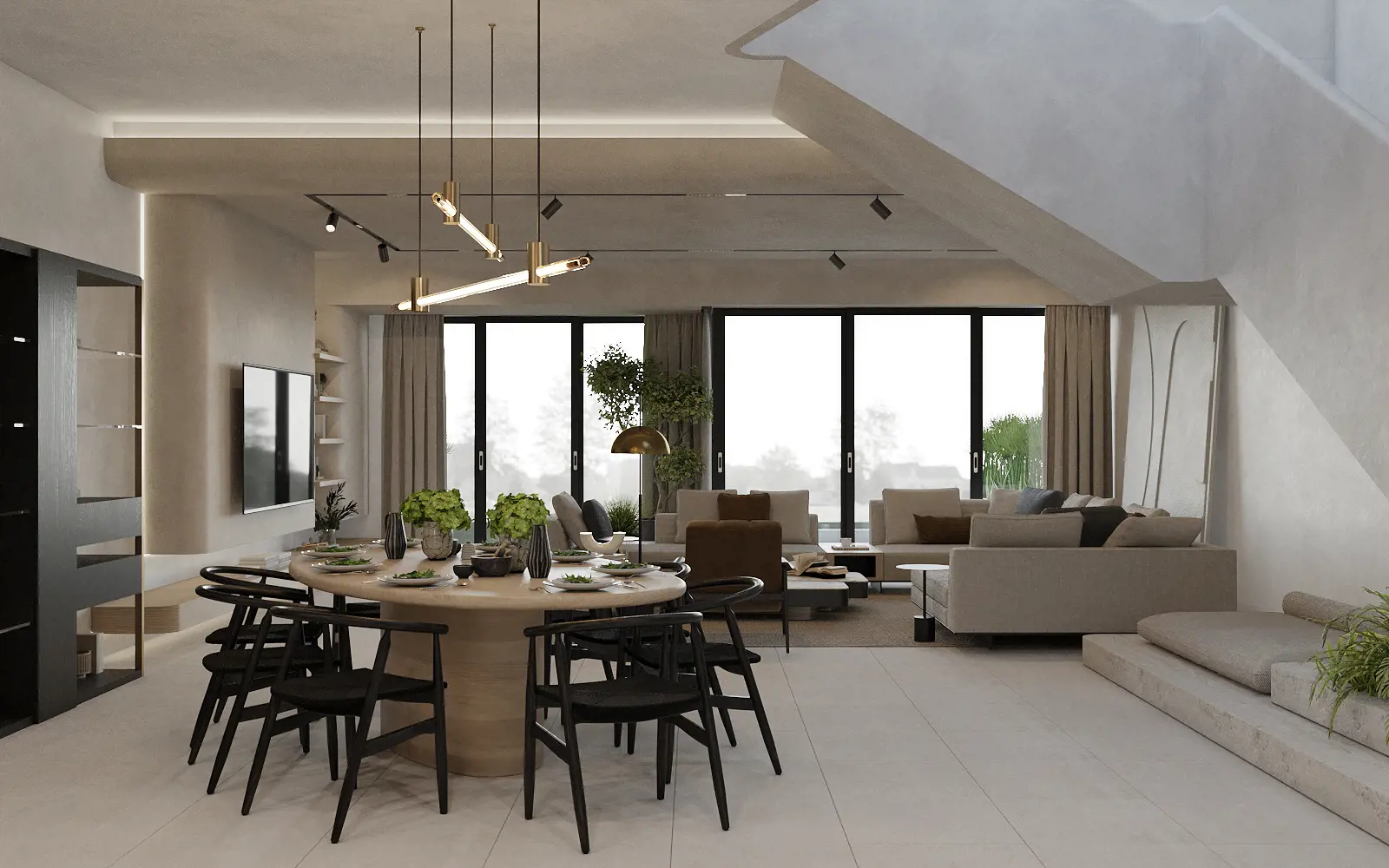





Sustainable Design in Interior Architecture: Shaping the Spaces of the Future
Interior architecture is an important discipline for optimizing the aesthetics and functionality of our living spaces. In recent years, the concept of sustainability has gained increasing importance in interior architecture. Sustainable design focuses on the use of eco-friendly materials, ensuring energy efficiency, and making spaces compatible with nature. In this article, we will discuss the significance of sustainable design in interior architecture and applicable methods.
1. Selection of Eco-Friendly Materials
In interior architecture projects, it is crucial to choose eco-friendly and recyclable materials. Materials like wood, bamboo, and natural stone not only provide aesthetic appeal but also have less impact on the environment. Additionally, using paints and coatings with low VOC (volatile organic compounds) improves indoor air quality.
2. Energy Efficiency
To ensure energy efficiency in interior architecture, it is essential to properly illuminate and heat spaces. The positioning and size of windows should be carefully planned to maximize the use of natural light. Moreover, energy-saving lighting systems and smart home technologies can help reduce energy consumption.
3. Functionality of Spaces
Sustainable design not only ensures the aesthetic appeal of a space but also its functionality. It is important to create space planning that meets user needs, ensuring more efficient use of the space. Creating functional areas enhances the quality of life for individuals and contributes to the sustainability of the space.
4. Innovative Design Approaches
Sustainable interior architecture brings innovative design approaches as well. Modular designs increase the flexibility of spaces, while portable and reusable furniture reduces waste in living areas. Additionally, nature-compatible design concepts allow users to interact more with nature.
Conclusion
Sustainable design in interior architecture represents a combination of eco-friendly practices and innovative solutions. It is crucial for interior architects to take responsibility in this field to leave a livable world for future generations. Through sustainable design, we can achieve both aesthetic and environmental goals, creating healthier and more comfortable living spaces. Sustainable interior architecture will shape the future by considering not only individual spaces but also social and environmental benefits.

